Home  /  Guide  /  Repeater gear

Guide · 24 November 2026

Amateur radio repeater:
what gear

An amateur radio repeater hears you on one frequency and at the same moment transmits on another, from a high site. I explain how it works and what gear to choose: 8 units from Yaesu and Icom (FM, C4FM, D-STAR), through Motorola and Hytera DMR repeaters, to cheap boxes with a duplexer inside. Plus a duplexer, antenna, 15 W power and a licence from UKE (the Polish Office of Electronic Communications).

8 unitsFM · C4FM · D-STAR · DMRfrom 2,350 PLNprices as at 24.11.2026
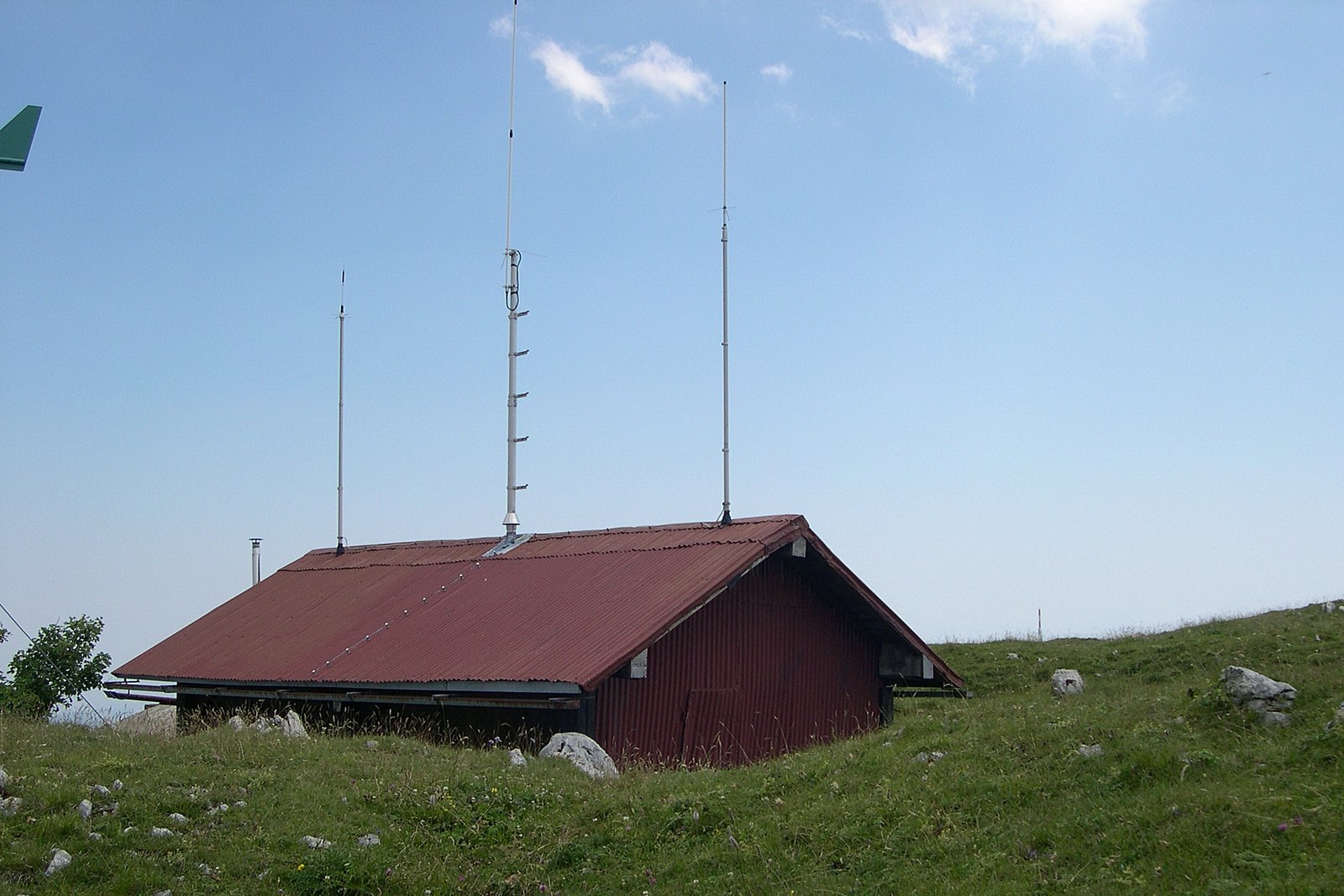
VHF repeater in the Jura · photo: Serge Nueffer
600kHzseparates the input and output on 2 m
7.6MHzseparates the input and output on 70 cm
15Wis the maximum repeater power on 2 m and 70 cm under a category 5 licence
8unitsof the Hytera RD625, the most common factory repeater among Polish SRs on BrandMeister

In brief

  • What it is: a repeater is an automatic station on a mast or building. It listens on the input frequency and at the same time transmits on the output, so a handheld with a range of a few kilometres reaches tens of kilometres. In Poland, repeaters have callsigns with the SR prefix.
  • What gear: simplest is a factory Yaesu DR-2XE (FM and C4FM, 2 m and 70 cm) or a DMR Motorola SLR 5500 or Hytera HR1065. Cheapest: Jetfon RPT-U10 or Retevis RT97L on 70 cm.
  • Won’t work without: a duplexer (on 2 m a large cavity type), a collinear antenna, backup power and a category 5 licence with power up to 15 W.
How it works

How an amateur radio repeater works

A repeater hears you on the input frequency and at the same time transmits the same on the output, from a great height and with more power. That’s why a handheld’s range jumps from a few to a few dozen kilometres.

Repeater diagram: antenna, duplexer, receiver, controller and transmitter antenna duplexer Receiver listens on the input Transmitter transmits on the output Controller tone, CW ID, timer input: 145.000 / 431.050 output: 145.600 / 438.650 Repeater diagram: antenna, duplexer, receiver, controller and transmitter antenna duplexer Receiver listens on the input Transmitter transmits on the output Controller tone, CW ID, timer input145.000431.050 output145.600438.650
Example from the band plan: on 2 m you transmit on 145.000 MHz, the repeater transmits on 145.600 MHz. On 70 cm: 431.050 and 438.650 MHz.

Receiver and transmitter at once

In a normal radio the transmitter and receiver take turns. In a repeater they run simultaneously, for the whole transmission. That’s why you need kit for continuous duty: a typical mobile will overheat during long transmissions.

Duplexer

The transmitter and receiver share one antenna. A duplexer is a set of cavity resonators that stop the transmitter’s own signal getting into the receiver. They attenuate it by 80 dB or more. The smaller the offset, the bigger and more expensive the duplexer.

Controller

It decides when the repeater opens (the CTCSS tone, i.e. “subtone”; if your radio doesn’t open the repeater, have a look at this guide), from time to time it transmits the callsign in CW, it watches the timer so that a long monologue doesn’t block the repeater. In commercial equipment it’s built in.

Power and TX power

A repeater runs day and night, so you want a power supply with a battery for outages. Power is limited by the licence: up to 15 W. With continuously adjustable power it’s easy to set that value.

Units

8 repeaters: FM, C4FM, D-STAR and DMR

No ranking: you can’t fairly compare a Motorola with a small 2,350 PLN box. Indicative prices, 24.11.2026: in PLN from Polish shops, in euros and dollars from online stores.

Factory-built amateur repeaters

Ready to work on 2 m and 70 cm, available new in Europe.

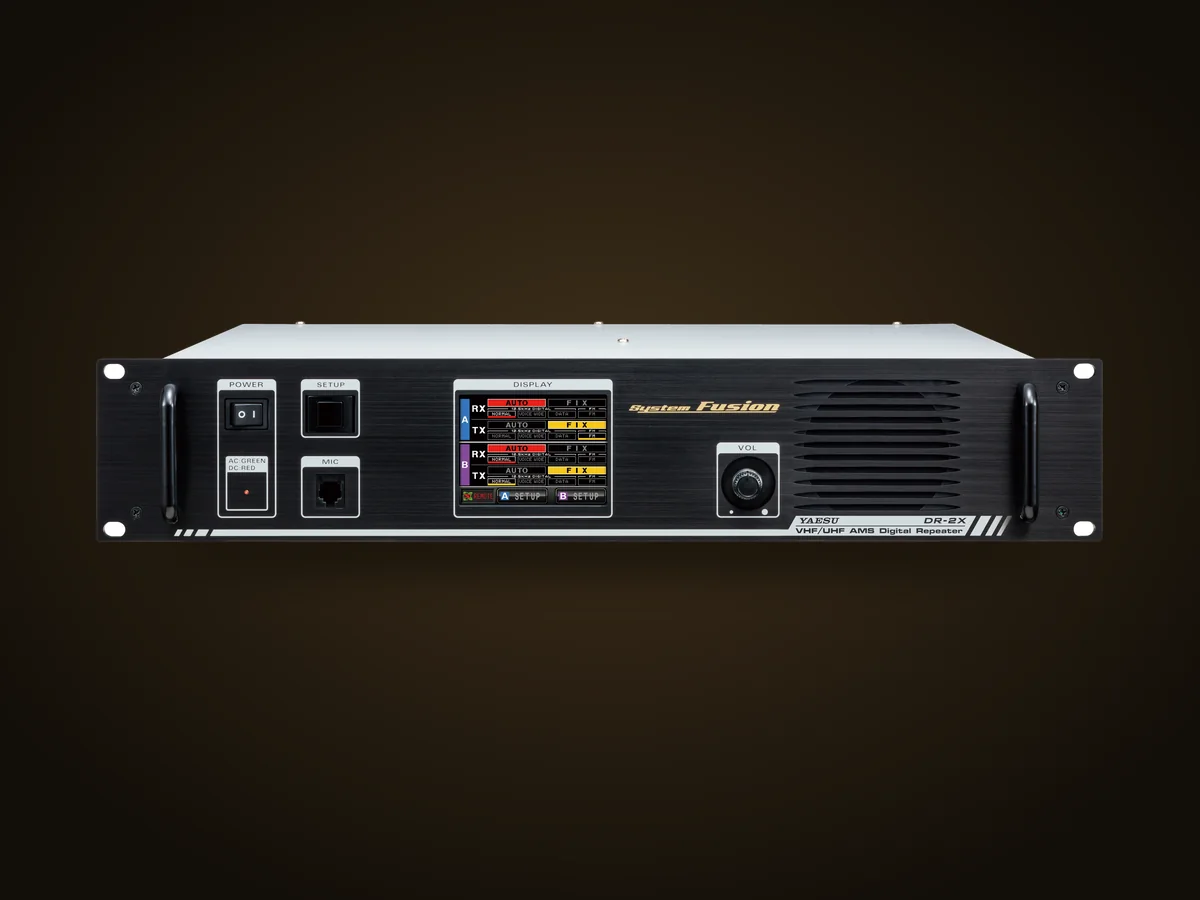
Yaesu DR-2XE repeater in a 19-inch rack case with a colour display

Yaesu DR-2XE

FM · C4FMapprox. 6,270–6,450 PLN
bands 144–146 and 430–440 MHzpower 50 / 20 / 5 Wsupply 13.8 V DC, min. 10 Aweight 8.4 kg

Factory System Fusion repeater. One unit covers both bands. It has two receivers and one transmitter, and automatically recognises the mode (FM or digital C4FM) (AMS). You link it to WIRES-X via an HRI-200 and a computer, to IMRS via the LAN-01A module. The European XE version has no built-in mains PSU or backup battery input. Only the US DR-2X has both. The duplexer is extra.

  • 2 m and 70 cm in one unit
  • FM and C4FM with automatic detection
  • available new in Poland
  • power steps 50 / 20 / 5 W don’t hit the 15 W limit
  • no mains PSU or battery input
  • manual doesn’t state a duty cycle and warns against long continuous transmission
  • duplexer extra
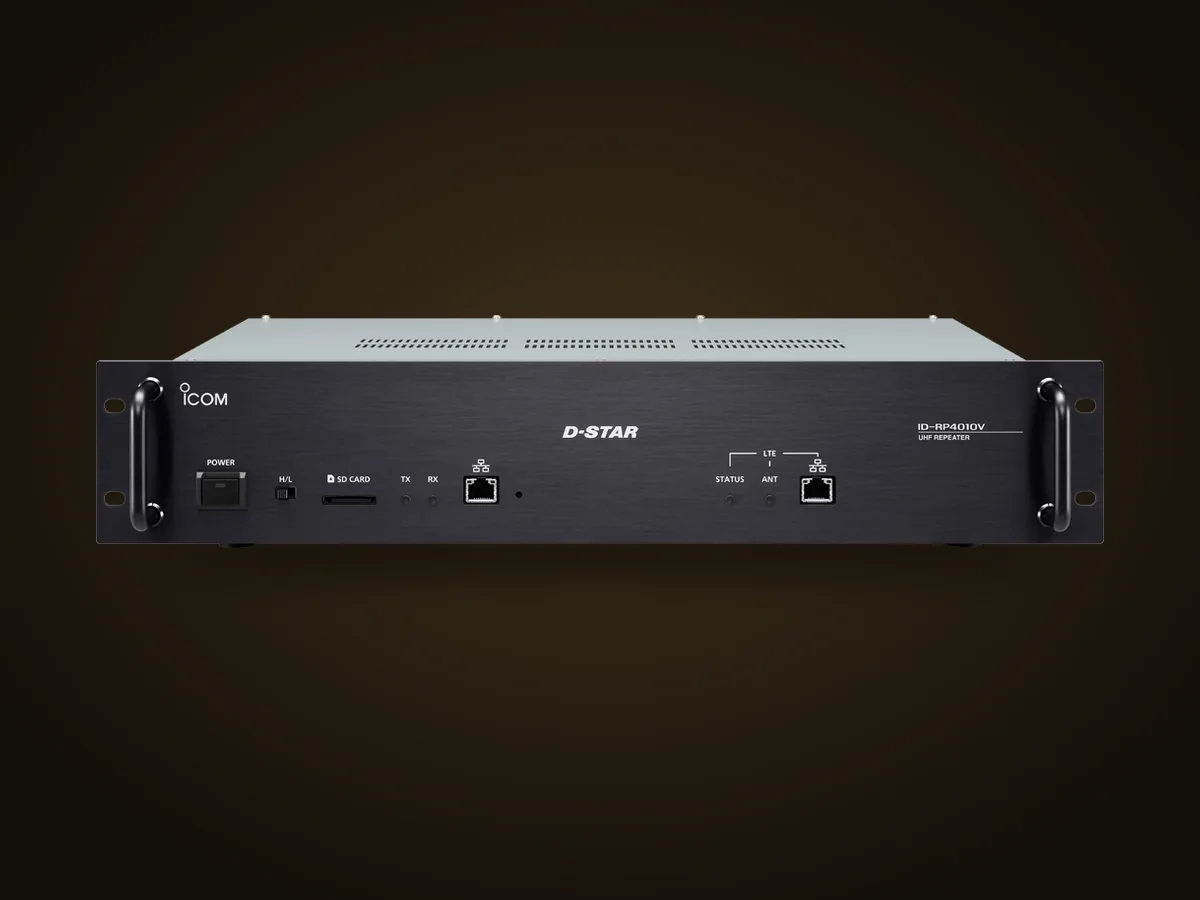
Icom ID-RP4010V D-STAR repeater in a rack case

Icom ID-RP4010V / ID-RP2010V

D-STAR · FMno Polish price
band 430–440 or 144–146 MHzpower 25 / 2.5 Wcurrent draw on TX 7 A / 9 Aweight 6 kg

Third-generation Icom D-STAR repeaters. Each band is a separate unit: ID-RP4010V for 70 cm, ID-RP2010V for 2 m. The controller is built in. The older ID-RP4000V and ID-RP2000V would not work without the separate ID-RP2C controller. Besides D-STAR it supports analogue FM. It has separate TX and RX antenna sockets, so you need an external duplexer.

  • D-STAR and analogue FM
  • built-in controller, no ID-RP2C needed
  • lighter than the DR-2XE
  • one band per unit
  • only two power steps: 25 W and 2.5 W
  • I couldn’t find a Polish price
  • duplexer extra

Professional DMR repeaters

Equipment from professional networks, retuned for the amateur bands. Power is continuously adjustable, so it’s easy to set 15 W.

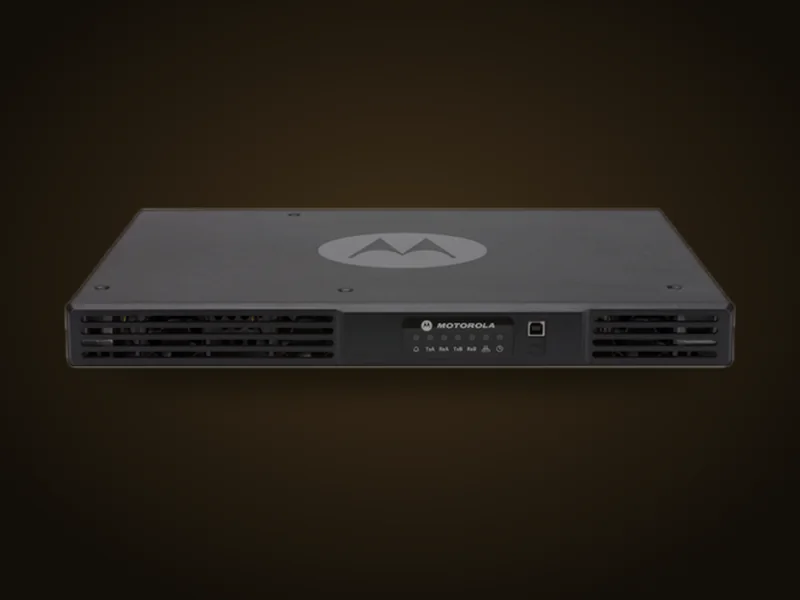
Motorola MOTOTRBO SLR 5500 DMR repeater in a 1U case

Motorola SLR 5500

DMR · FMapprox. €3,430 new
ranges VHF 136–174, UHF 403–470 MHzpower 1–50 W, continuous dutychassis 1U, 8.6 kgsupply 230 V AC and 12 V DC

The benchmark DMR repeater in a 1U chassis. Inside are a mains PSU, a 12 V input and a battery charger. You can set power from 1 to 50 W, for continuous duty. Operates in DMR (two slots), analogue FM and mixed mode. For 2 m, choose the VHF version. For 70 cm, only the 403–470 MHz version fits; the 450–527 MHz version does not cover 430–440 MHz. Programmed with MOTOTRBO CPS 2.0, and linked to BrandMeister via IP Site Connect. In Poland it’s rare: on 24.11.2026 it was on air on one SR.

  • power supply and battery charger inside
  • 1–50 W continuous, easy to set 15 W
  • DMR, FM and mixed mode in 1U
  • expensive
  • CPS 2.0 software via a Motorola account
  • on 70 cm only the 403–470 MHz version
  • separate duplexer (Tx N, Rx BNC)
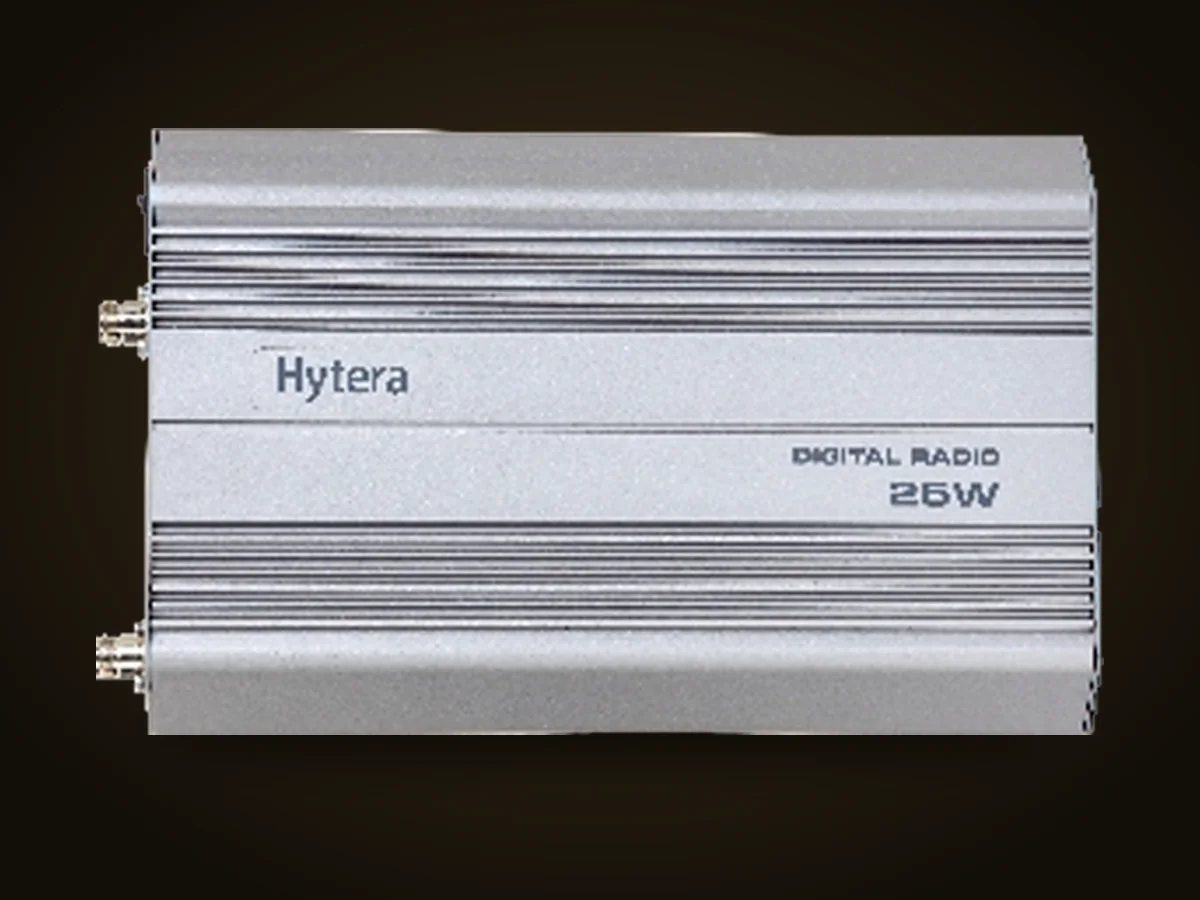
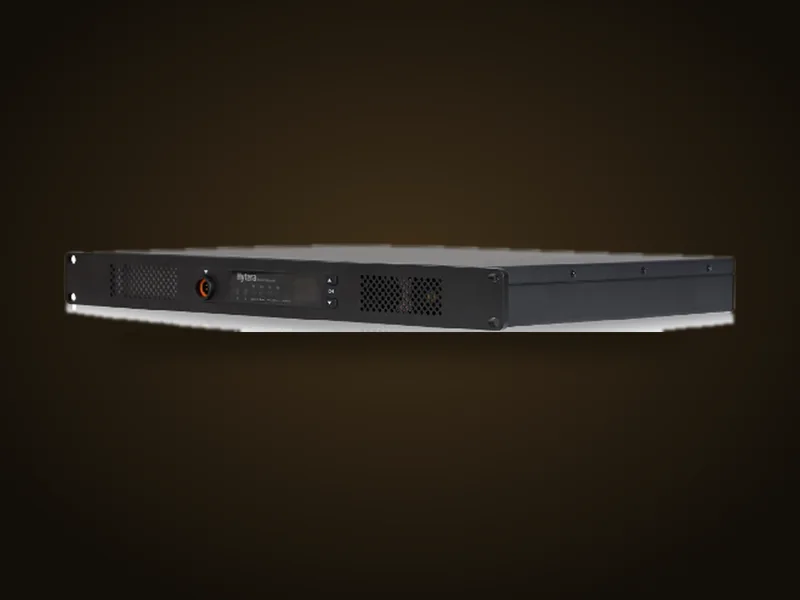
Hytera RD625 DMR repeater in an aluminium case with a “25W” label

Hytera RD625

DMR · FMapprox. 1900 € new
bands VHF 136–174, UHF 400–470 MHzpower 1–25 W, continuous dutysupply built-in power supply, 13.6 V DCdimensions 210 × 348 × 108 mm

A small wall-mount DMR repeater with a built-in power supply. When mains power fails, it switches to an external 13.6 V source or a UPS. A duplexer is optional and fits inside the case. It’s the most common off‑the‑shelf repeater in Polish SR on BrandMeister: 24.11.2026 there were 8 of them. Hytera discontinued it on 31.03.2024. New units were still listed by one shop (approx. 1900 €); otherwise it’s the second‑hand market. Its successor is the HR655 (1–10 or 1–25 W, optional 12.5 Ah battery for about 9 h at 10 W and 50% transmit duty).

  • small, duplexer in the case (option)
  • power 1–25 W, easy to set 15 W
  • most common off‑the‑shelf in Polish SR, help easy to find
  • discontinued in 2024, new only from remaining stock
  • CPS software only from a dealer
  • weight differs between sources (2.9 or 5 kg)
Hytera HR1065 DMR repeater in a slim 1U enclosure

Hytera HR1065

DMR · FMapprox. 3020 € new
bands VHF 136–174, UHF 400–470 MHzpower VHF 1–50 W, UHF 1–45 Wenclosure 1U, 5.8 kgsupply 230 V AC and 13.6 V DC

Hytera’s current DMR repeater in a 1U chassis, with a mains PSU and a DC input. Works in DMR and analogue FM, continuous at full power. It’s lighter than the Motorola SLR 5500 and a bit cheaper. The older, larger RD985 was discontinued by Hytera on 31.03.2024 together with the RD625.

  • 1U and only 5.8 kg
  • AC and DC power
  • power continuously adjustable from 1 W, easy to set 15 W
  • the manufacturer does not quote duplexer specs
  • CPS software only from a dealer
  • expensive

Professional analogue FM

Discontinued, but very durable kit on the second‑hand market.

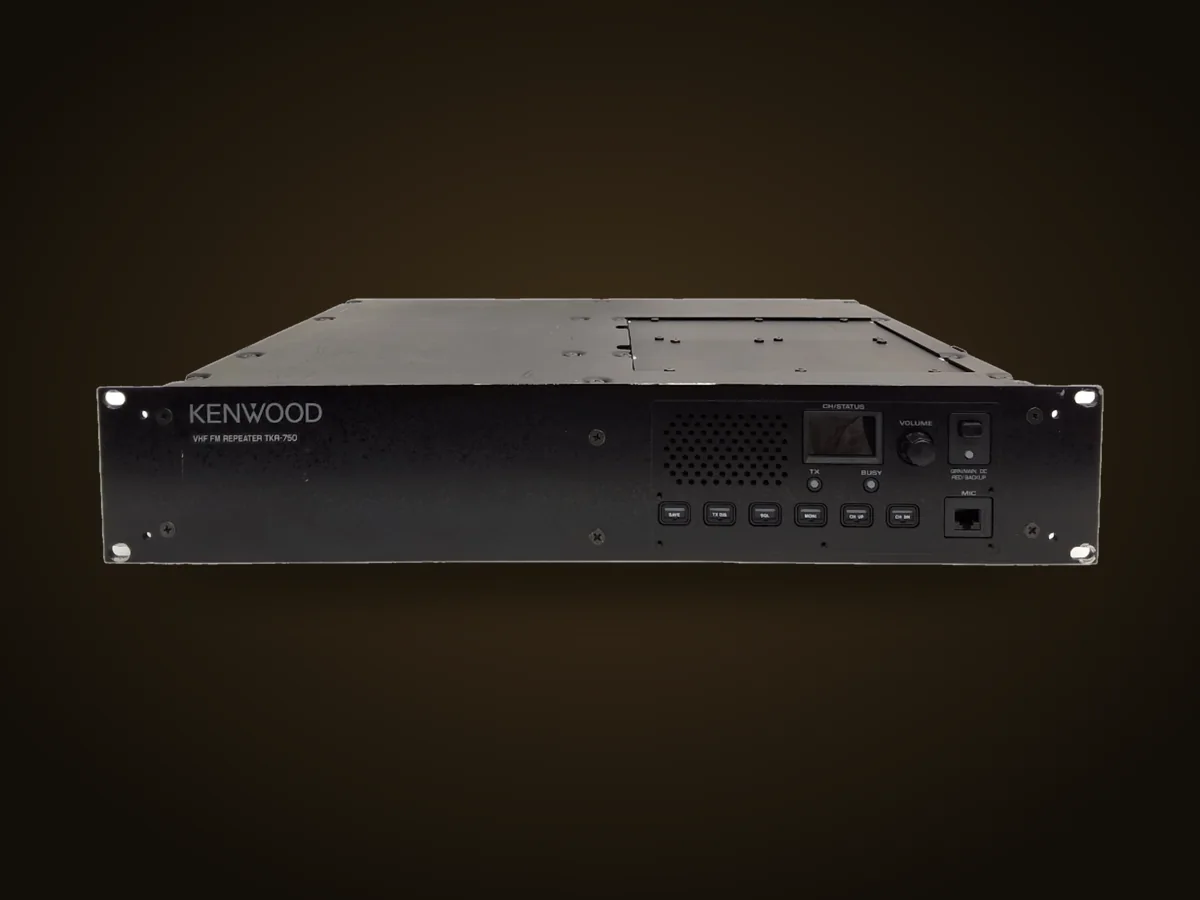
Kenwood TKR-750 analogue repeater in a rack case

Kenwood TKR-750

FMused only
2 m version K2: 136–150 MHzpower 50 W, continuous 25 Wchannels 16, CTCSS and DCSweight 9.7 kg

A classic analogue FM repeater from professional networks. It has everything an amateur repeater needs: CTCSS and DCS, CW ID up to 32 characters, a transmit timer up to 30 min and hang time up to 10 s. It delivers the full 50 W at 50% duty cycle. In continuous operation only 25 W. For 2 m only the K2 version fits. The K and E versions start at 146 MHz. The twin TKR-850 for 70 cm has no version covering 430–440 MHz. Both are discontinued: they were followed by the TKR-751 and TKR-851, and today by the NXR-710 and NXR-810.

  • CW ID, CTCSS and DCS built in
  • simple and very durable
  • cheap on the second‑hand market
  • for 2 m only the K2 version
  • TKR-850 is unsuitable for 70 cm
  • heavy: 9.7 kg
  • a 600 kHz duplexer for 2 m is large and expensive

Budget repeaters for 70 cm

Small boxes with a duplexer inside. The cheapest option, but everything depends on what offset it’s tuned for.

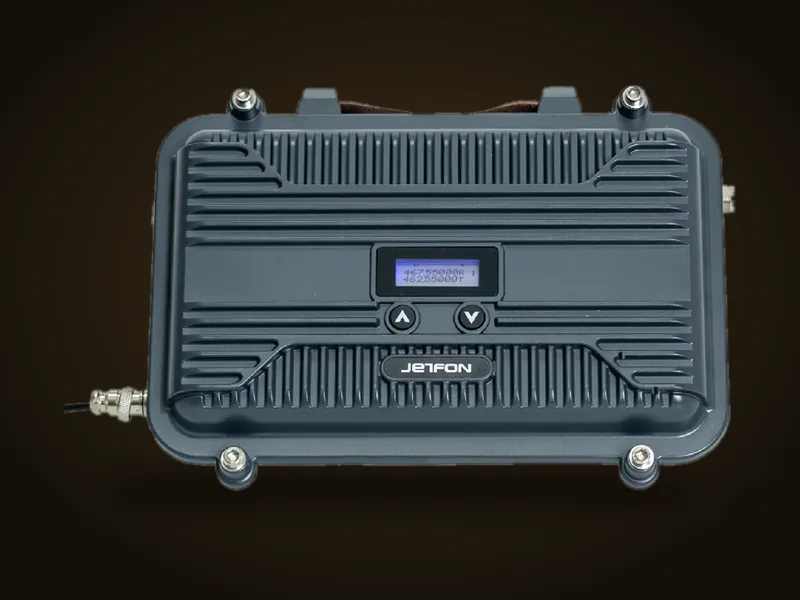
Jetfon RPT-U10 repeater in a dark grey case with a display

Jetfon RPT-U10

FM2350 PLN
range 400–480 MHzpower 10 / 5 Wchannels 16, channel spacing 12.5 / 25 kHzsupply 12 V 5 A PSU, runs on 12 / 24 V

The cheapest repeater in this lineup. A small sealed 70 cm box, with a power supply included. It looks identical to the Retevis RT97S. A Spanish shop mentions a built‑in duplexer, a Polish one says nothing about it. Neither states what offset it’s tuned for. Before you buy, ask the seller whether the duplexer can be tuned to your pair with a 7.6 MHz offset.

  • cheapest, available in Poland
  • 10 W fits within the 15 W limit
  • small, 12 or 24 V power
  • no data on duplexer tuning
  • the manufacturer lists neither CTCSS nor CW ID
  • 70 cm only
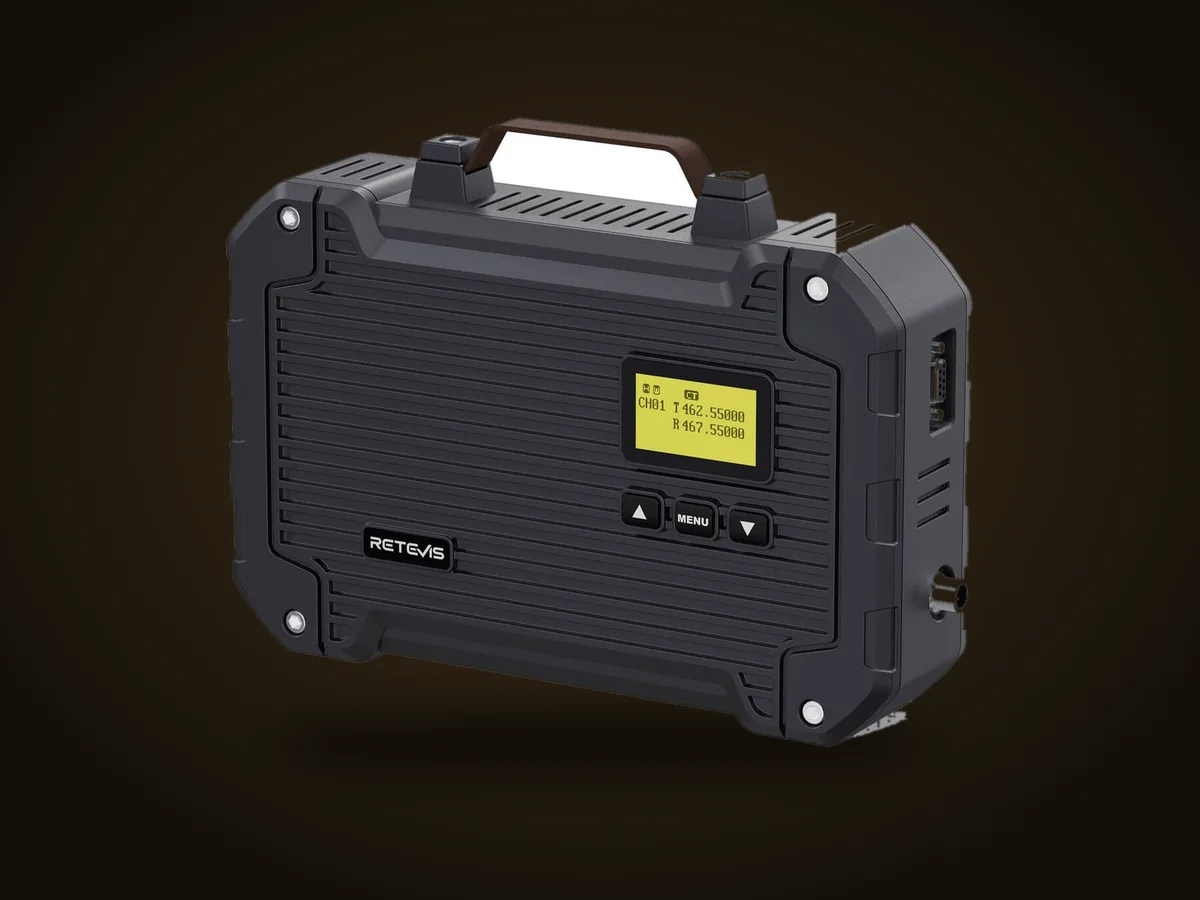
Retevis RT97L portable repeater in a black case with a handle

Retevis RT97L

FM534.99 USD
range UHF 400–470 or VHF 136–174 MHzpower 22–25 W, after the duplexer 15–22 Wchannels 16weight 3.6 kg

A portable repeater in a waterproof case with a handle and a built‑in duplexer. Retevis tunes the duplexer at the factory to the ordered frequencies. The orderable range is UHF 400–470 MHz, with an offset from 5 to 12 MHz. Afterwards you can shift the frequencies by only ±200 kHz. Polish 70 cm (430–440 MHz, 7.6 MHz offset) fits both conditions: when ordering, give your pair, e.g. 438.xxx / 431.xxx MHz. It’s not suitable for 2 m with a 600 kHz offset.

  • duplexer inside, ready to go
  • low draw: 180 mA on receive
  • portable, for field use
  • offset only 5–12 MHz, so no 2 m
  • factory tuned, then only ±200 kHz
  • order from abroad, for a specific pair
  • full power is over 15 W, there’s a 5 W switch
The rest of the RF path

Duplexer and antenna for the repeater

The device itself is only half a repeater. Coverage – and whether the repeater desenses itself – is determined by what’s between it and the antenna.

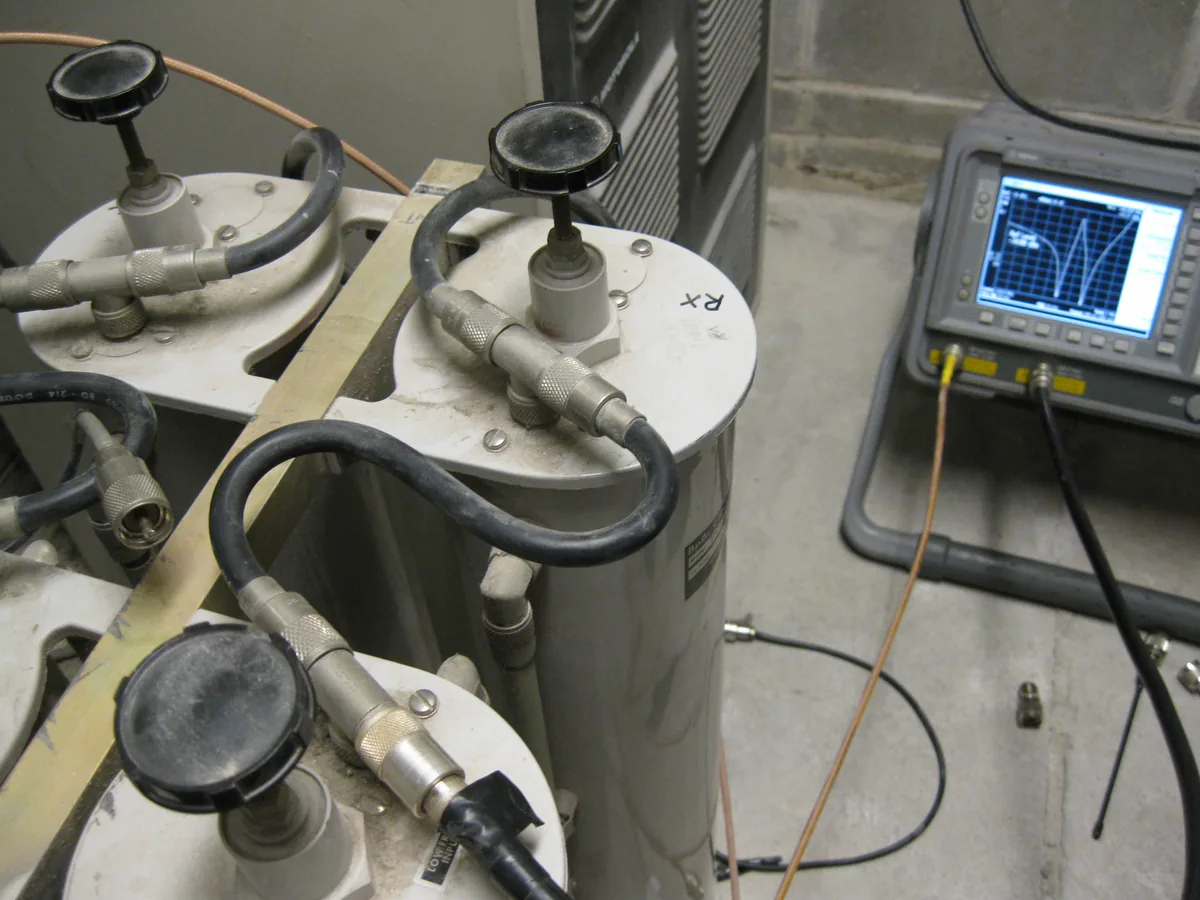
Metal resonant cavities of a 2 m repeater duplexer linked by cables, with a spectrum analyser alongside

Duplexer

On 2 m (600 kHz) it’s serious kit: typically 4–6 large cavities. A class example: the Wacom WP-643 has 6 cavities, at a 0.6 MHz offset it attenuates the transmitter on the receive frequency by 102 dB and weighs about 28 kg.

On 70 cm (7.6 MHz) a small duplexer is enough. The Procom MPX 70/6 H (the version for a 7–9 MHz offset) has 6 resonators, over 90 dB isolation when tuned to a single pair and weighs 0.55 kg, but will take at most 25 W.

No built‑in duplexer for which the manufacturer quotes an offset goes down to 600 kHz. On 2 m you always need a separate cavity duplexer.

Photo: Sterling Coffey, CC BY 2.0 · 145 MHz repeater

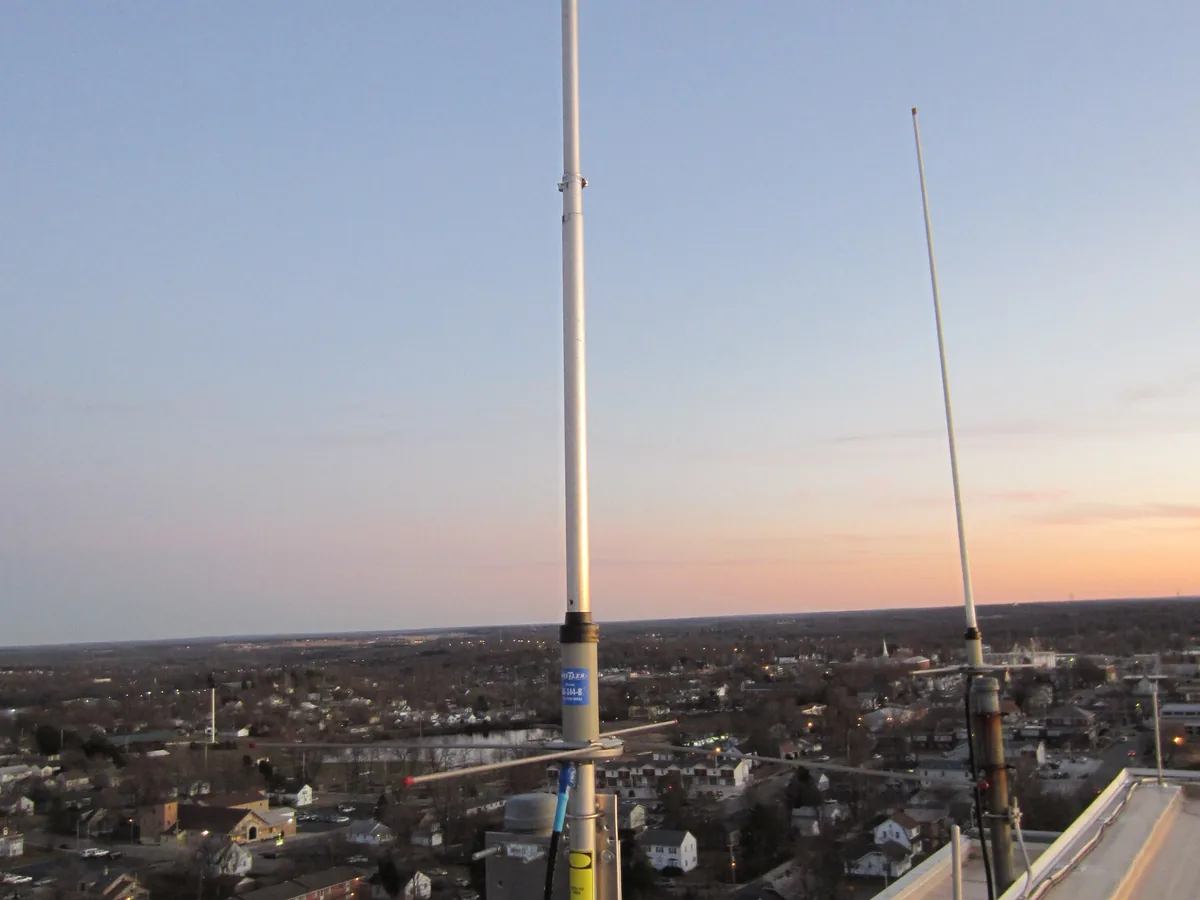
Vertical collinear repeater antennas on the roof of a tall building at sunset

Antenna

A repeater needs a vertical, omnidirectional antenna, as high as possible. A typical choice is a collinear, e.g. Diamond: X-50N (4.5 / 7.2 dB, 1.7 m), X-200N (6 / 8 dB, 2.5 m) or X-300N (6.5 / 9 dB, 2.9 m). All have an N connector and will take 200 W.

More models and prices: Base antennas 2 m / 70 cm.

Photo: Sterling Coffey, CC BY 2.0 · W0EEE repeater

Cable

Every decibel of loss in the cable robs both transmit range and receive sensitivity. With a repeater the run is usually long, so it’s worth using a thick, low‑loss cable. Comparison of 32 cables: Coaxial cables.

Emergency power

SLR 5500 has a built‑in 12 V battery charger. RD625 switches to an external 13.6 V source on a mains failure. HR655 will take a 12.5 Ah battery for about 9 h at 10 W with 50% transmit. For the others: a power supply and a backup battery. Choosing a power supply: Power supplies for radios.

Comparison

Comparison of repeaters

Data from manufacturers’ datasheets and manuals. ‘Or’ means the band depends on the ordered version.

Comparison of 8 2 m / 70 cm repeaters: modes, bands, power, duplexer and price (24.11.2026)
ModelTypeModesBandsPowerDuplexerPrice
Yaesu DR-2XEamateurFM · C4FM2 m and 70 cm50 / 20 / 5 Wexternalabout 6,270–6,450 PLN
Icom ID-RP4010V / ID-RP2010VamateurD-STAR · FM70 cm or 2 m25 / 2.5 Wexternalno Polish price
Motorola SLR 5500DMRDMR · FM2 m or 70 cm1–50 Wexternalabout €3,430 new
Hytera RD625DMRDMR · FM2 m or 70 cm1–25 Woptional in the cabinetabout €1,900 new
Hytera HR1065DMRDMR · FM2 m or 70 cm1–50 / 1–45 Wno dataabout €3,020 new
Kenwood TKR-750analogue FMFM2 m (K2 only)50 W, 25 W continuousexternalused only
Jetfon RPT-U10budgetFM70 cm10 / 5 Wno data2,350 PLN
Retevis RT97LbudgetFM70 cm (made to order)25 W / 5 Wbuilt‑in, 5–12 MHz534.99 USD
Selection

Which repeater to choose

My suggestions.

ScenarioWhat to chooseWhy
Club, FM and C4FM, new kitYaesu DR-2XEboth bands in one, warranty, you can buy it in Poland; power needs to be reduced
D-STARIcom ID-RP4010V or ID-RP2010Vcontroller inside, analogue FM as well
DMR for the long runMotorola SLR 5500 or Hytera HR10651U, continuous duty, continuous power control — set it to 15 W
DMR on the cheapHytera RD625, new end‑of‑line stock or usedthe most common factory‑built repeater in Polish SRs, duplexer in the cabinet
Analogue FM on 2 m second‑handKenwood TKR-750, K2 versionCTCSS and CW ID inside; add a cavity duplexer for 600 kHz offset
Smallest budget, 70 cmJetfon RPT-U10 or Retevis RT97Lonly with a duplexer factory‑tuned to your frequency pair
Regulations

Repeater licence and frequencies

Category 5 licence

A repeater requires a separate Category 5 licence from UKE (the Polish Office of Electronic Communications). Apply on form RA-5: version RA-5-i for a person with a valid Category 1 licence aged 18 or over, RA-5-k for a legal entity, e.g. a club. Power up to 15 W, licence up to 10 years, callsign with the SR prefix, fee 82 PLN.

Frequencies

According to the IARU Region 1 band plan: on 2 m repeaters transmit on 145.575–145.7875 MHz and listen 600 kHz lower. On 70 cm they transmit on 438.650–439.5875 MHz, and digital repeaters also on 438.200–438.525 MHz (extension for digital modes). All listen 7.6 MHz lower. Look for a free pair on the repeater map and in the UKE register.

Questions

Frequently asked questions about repeaters

What is an amateur radio repeater?

A repeater is an automatic radio station sited high up — on a mast, chimney or building. It receives your signal on the input frequency and at the same moment retransmits it on the output, from a better location and with the antenna high up. Thanks to this, a handheld with a range of a few kilometres can reach tens of kilometres. In Poland repeaters have callsigns with the SR prefix, and you’ll find their locations on the repeater map.

How does a DMR repeater work?

DMR is a digital radio standard. On one frequency it carries two independent conversations in two time slots. A DMR repeater usually connects to a network via the internet, in Poland most often BrandMeister, so through your local repeater you can also talk to others nationwide and abroad. The DMR repeaters described here (Motorola SLR 5500, Hytera RD625 and HR1065) also handle analogue FM.

What is the offset on 2 m and 70 cm repeaters?

On 2 m the repeater transmits 600 kHz higher than it listens: e.g. output 145.600 MHz, input 145.000 MHz. On 70 cm the offset is 7.6 MHz: e.g. output 438.650 MHz, input 431.050 MHz. On the radio set the repeater’s output frequency and a minus offset (−600 kHz or −7.6 MHz).

What does a duplexer do in a repeater?

A duplexer lets the transmitter and receiver work simultaneously on a single antenna: resonant cavities attenuate the transmitter’s own signal in the receive path by 80 dB and more. On 2 m, with a 600 kHz offset, that means a large cavity duplexer; on 70 cm, with 7.6 MHz, a small one will do. That’s different from a ‘2 m / 70 cm duplexer’ for antennas, which combines two bands into one cable.

How much does a repeater cost?

The unit itself (prices as of 24.11.2026): from 2350 PLN for a Jetfon RPT-U10 on 70 cm, through approx. 6270–6450 PLN for a Yaesu DR-2XE, up to approx. €3000–€3430 for a new Hytera or Motorola DMR repeater. Add a duplexer (if it’s not built in), antenna, cable, backup power and the 82 PLN licence fee.

What power is allowed for an amateur repeater?

Under a Category 5 licence the power of a repeater above 30 MHz, i.e. also on 2 m and 70 cm, is at most 15 W. Factory‑built repeaters are usually 25–50 W, so you have to set them lower. It’s easiest with gear that has continuous power control: Motorola SLR 5500 (1–50 W), Hytera RD625 (1–25 W) and HR1065.

Do you need a licence for a repeater?

Yes, a separate UKE (the Polish Office of Electronic Communications) Category 5 licence. Apply on the RA-5 form: RA-5-i as a person with a valid Category 1 licence and aged 18 or over, or RA-5-k as a legal entity, e.g. a club. The licence is issued for up to 10 years, the callsign has the SR prefix, and the fee is 82 PLN.

Is the Hytera HR655 suitable as a 70 cm repeater?

The UHF version of the HR655 covers 400–470 MHz, so it includes the 430–440 MHz band. It has 1–10 W or 1–25 W power options and can run from a 12.5 Ah battery. The optional DT26 mini duplexer is only available in the UHF version; before buying, check whether it can be tuned to a 7.6 MHz split. The HR655 is the successor to the Hytera RD625 described here.

Sources

Where these data came from

  1. Yaesu: DR-2X / DR-2XE manual, Yaesu UK: DR-2XE (Yaesu UK lists different weight, current, 10 W setting and battery operation; in the article the data come from the manual, in which only the DR-2X has a battery input)
  2. Icom: D-STAR repeaters, ID-RP4010V / RP2010V manual
  3. Motorola: SLR 5500 datasheet, BrandMeister: connecting Motorola
  4. Hytera: RD625, HR655, HR1065, RD985S
  5. Kenwood: TKR-750 / TKR-850, TKR-750 and TKR-850 service manuals (band-split versions) in the repeater-builder.com archive
  6. Retevis: RT97L, Retevis blog about the RT97 series; Jetfon RPT-U10: product page in a Polish shop
  7. IARU Region 1: VHF Handbook 10.03 (2 m and 70 cm band plans)
  8. repeater-builder: duplexer data, Wacom WP-643, Procom MPX 70/6
  9. Diamond: X-50N / X-200N / X-300N manual
  10. Polish DMR repeaters and their equipment: BrandMeister network API (master 2602), as of 24.11.2026
  11. Category 5 licence: regulation of the Minister of Digital Affairs of 19.03.2026 (Journal of Laws 2026 item 406) and RA-5 form in the UKE Public Information Bulletin (BIP)
  12. Device photos: manufacturers’ and shops’ materials. VHF repeater on Pointe de Poêle Chaud: Serge Nueffer, Attribution licence; cavities: Sterling Coffey, CC BY 2.0; antennas: Sterling Coffey, CC BY 2.0 (Wikimedia Commons)
  13. Prices: indicative, 24.11.2026