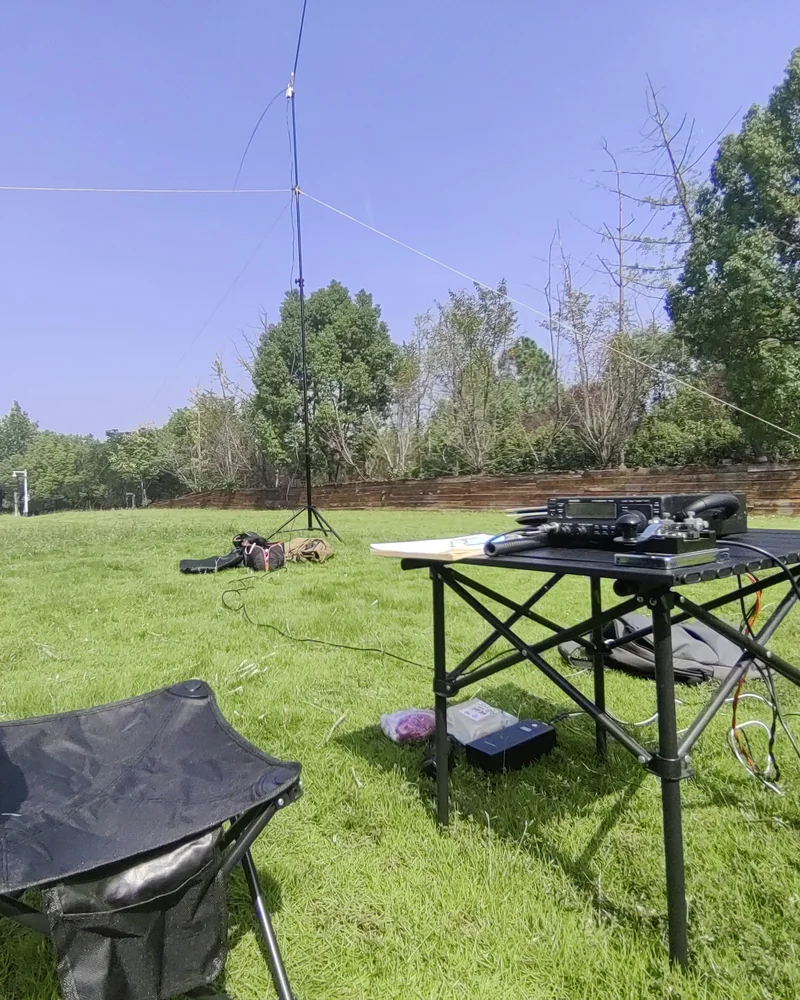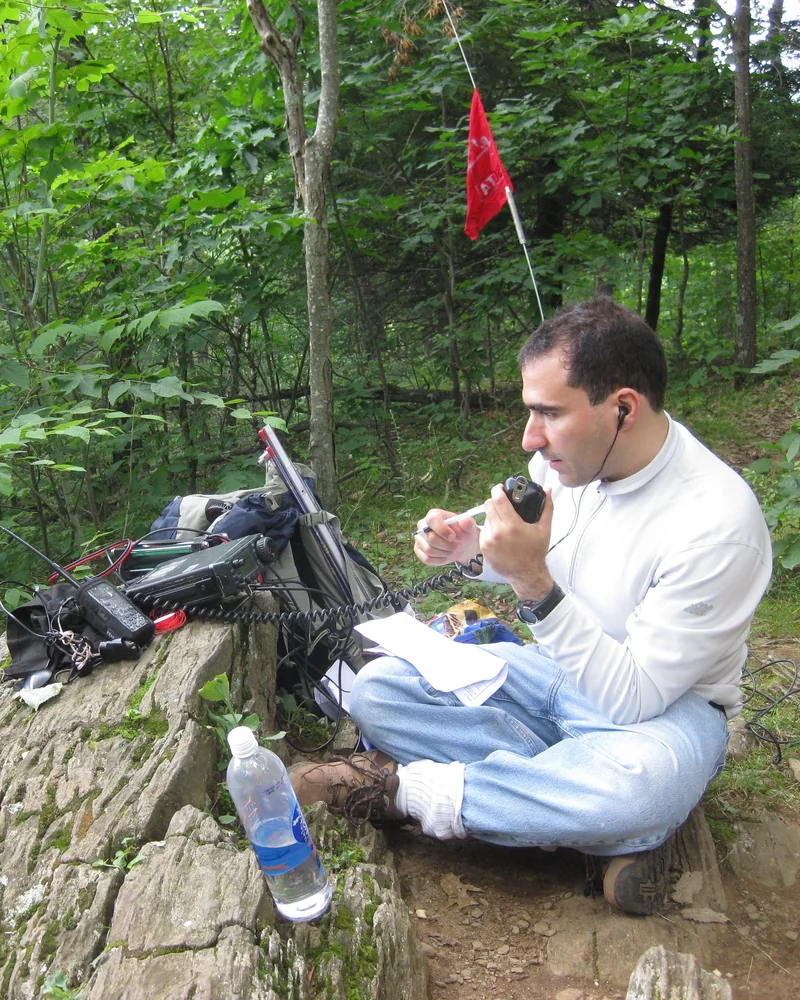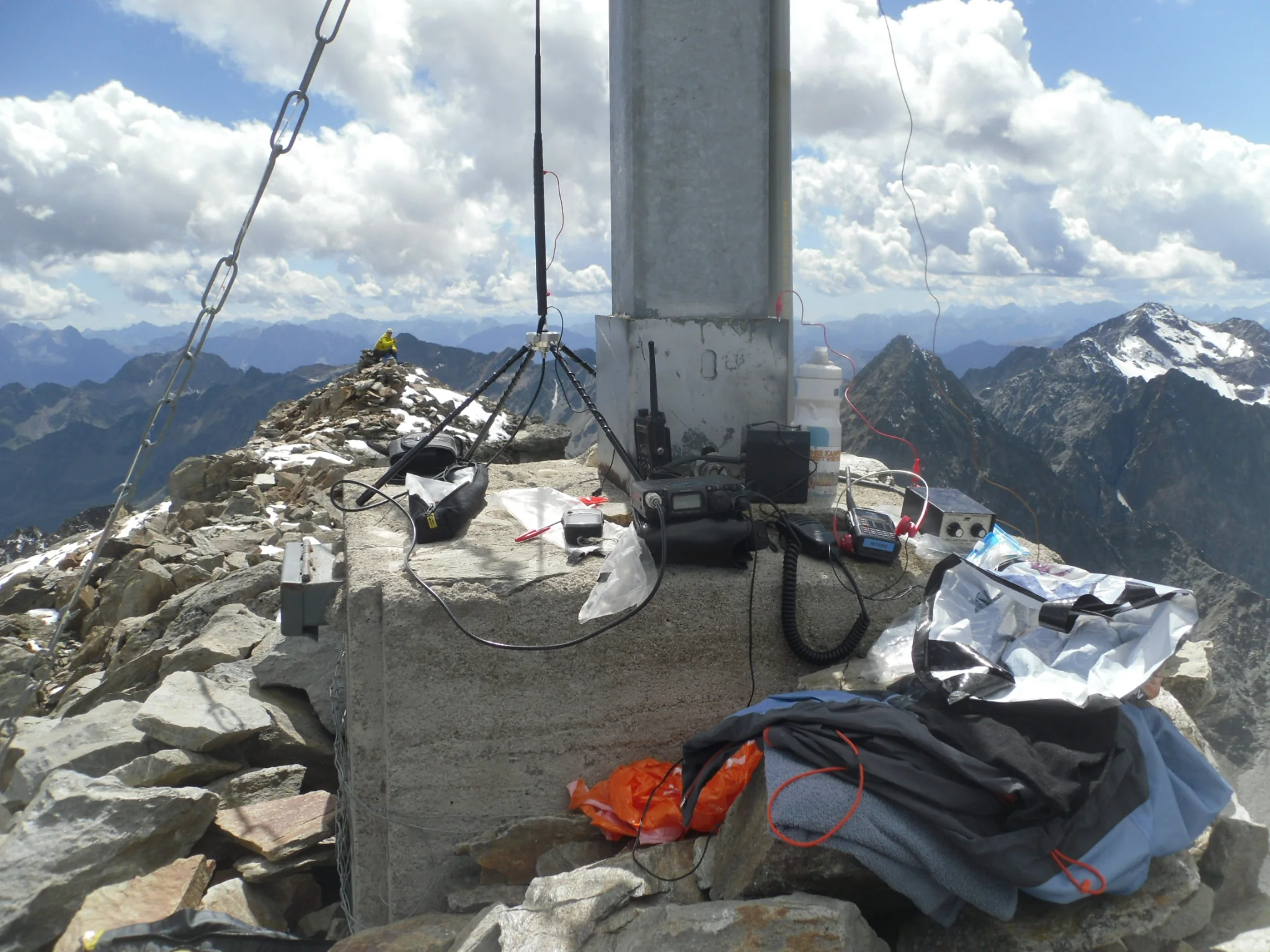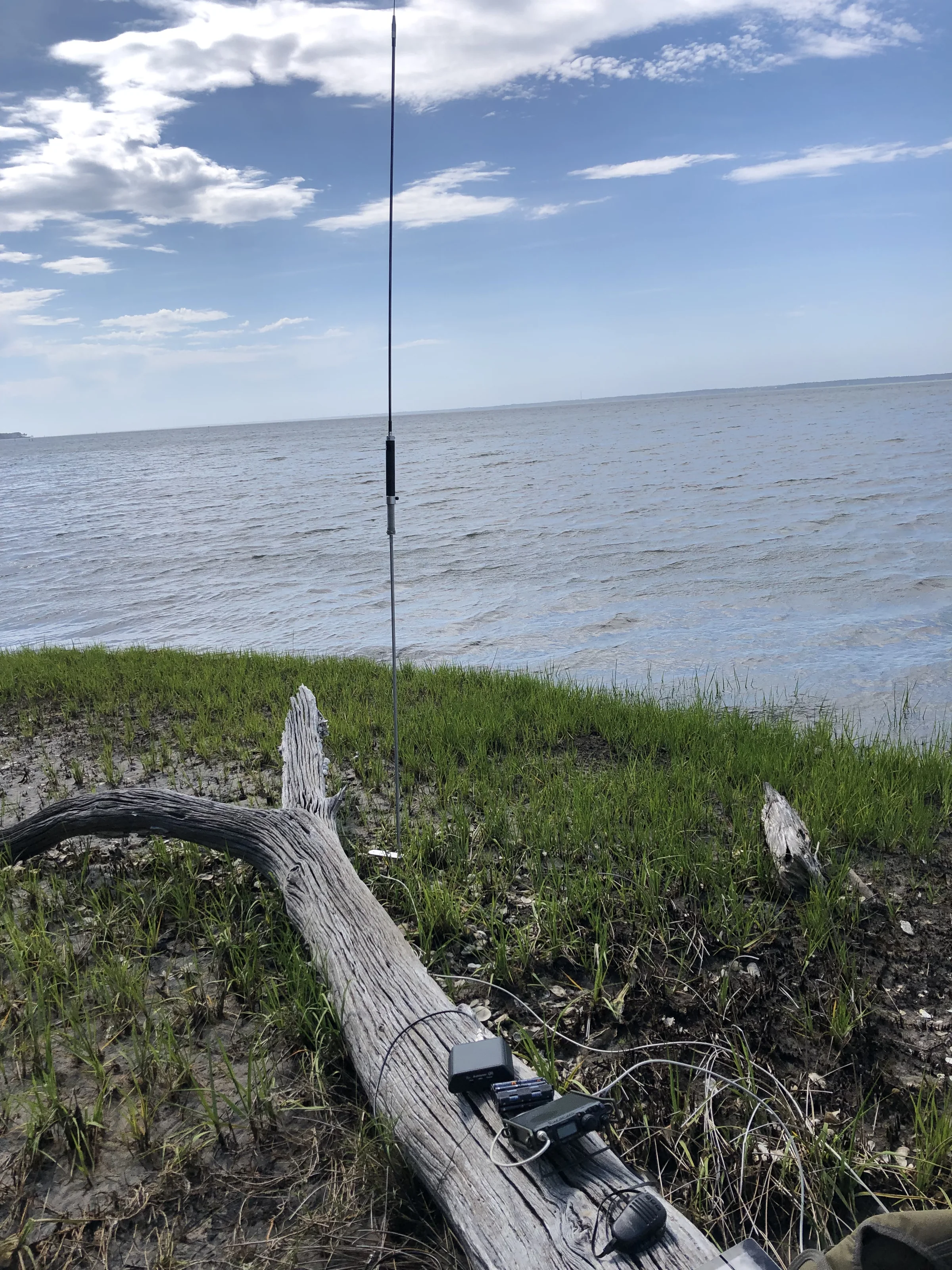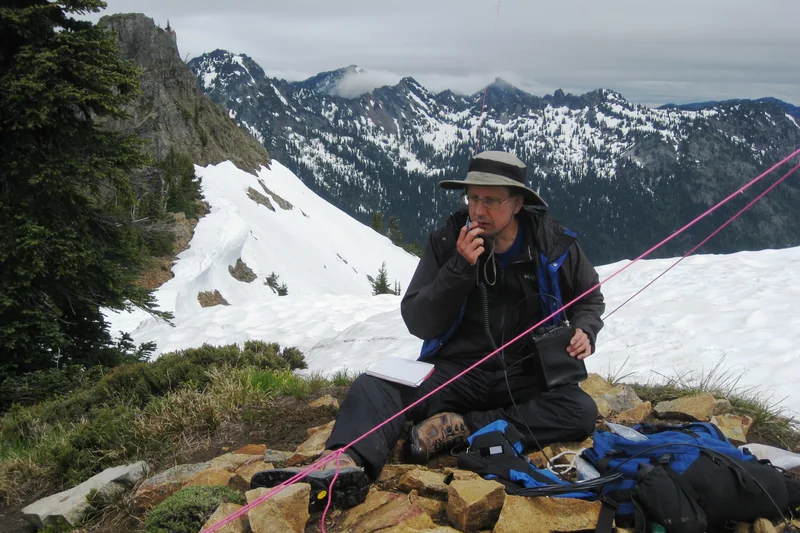
An activator is a licensed radio amateur who is in a park from the POTA list and makes contacts with other licensed stations. A hunter is any other licensed operator who makes a QSO with them. A hunter is sometimes called a chaser.
A successful activation is at least 10 QSOs from a listed park within a single UTC day. POTA does not require a specific exchange in the QSO. There is no power limit beyond your licence and the band plan, and you should use the minimum power needed to complete the contact. You may operate from a vehicle parked on public land within the park boundaries. The operator and all equipment must be within those boundaries. All bands and modes allowed by your licence class are permitted. Terrestrial repeaters are prohibited; satellite repeaters are allowed. Fully automated QSOs are prohibited.
You can self‑spot on the POTA spotting page. A hunter can also post a spot or refresh it. A spot disappears about 30 minutes after the last spot or when the comment indicates QRT. Only the activator submits the ADIF log. The hunter does not send a log and gets credit from the activator’s log. There is no time limit for submitting a log.
Polish parks have numbers PL-xxxx. In reports from 2023 you’ll see SP-xxxx with the same numbers. The date the prefix changed for Poland is not confirmed. PL-0695 is Kampinoski Park Narodowy. PL-0576 is Warszawski Obszar Chronionego Krajobrazu, 956 activations, the second highest in Poland. The most frequently activated is PL-1517 Bory Tucholskie, 4339 activations. A hunter may be at home. If they are in another listed park, the QSO becomes Park to Park (P2P). Activating several parks at once — a two‑fer or three‑fer — is allowed if there is an area where all those park boundaries overlap.